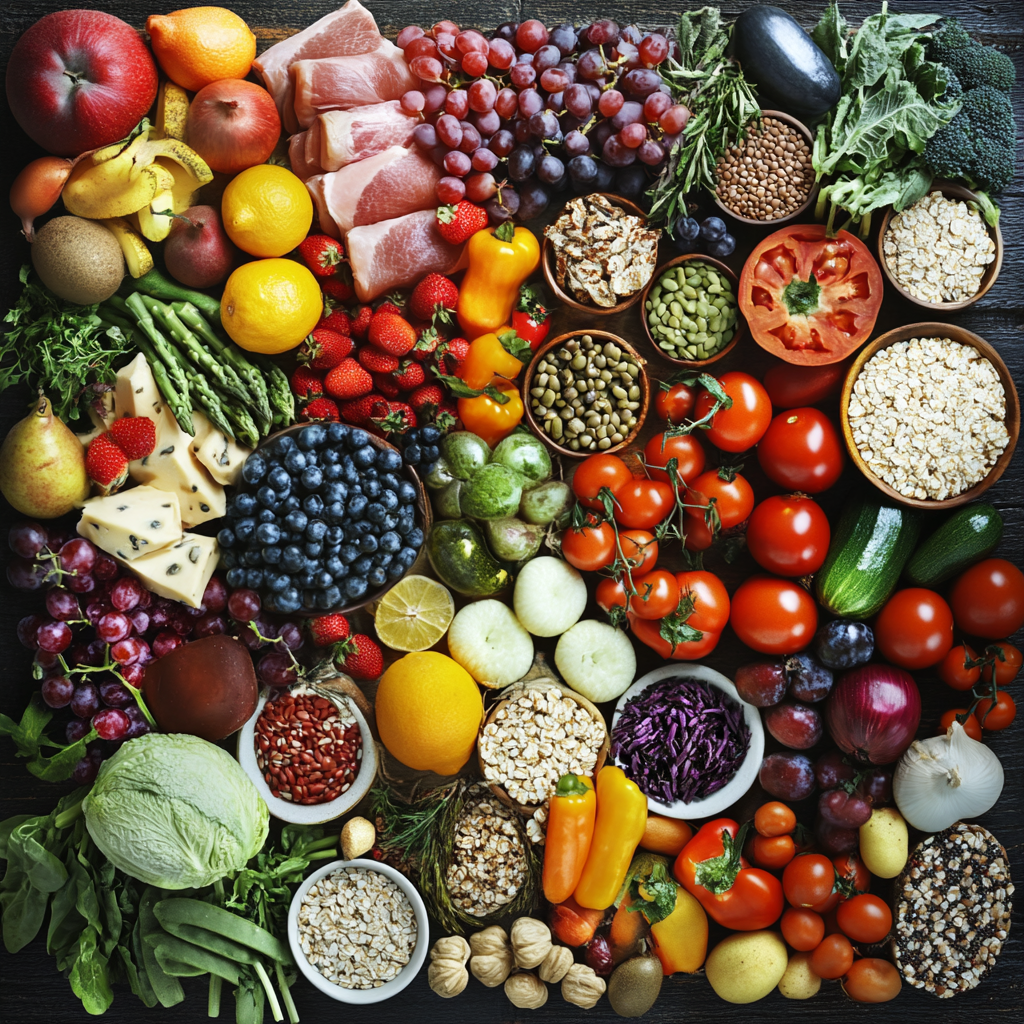
In the age of fad diets and conflicting nutrition advice, the idea of a balanced diet might sound almost old-fashioned. But it remains the cornerstone of long-term health and wellness. A balanced diet isn't about strict deprivation or 'good' and 'bad' foods – it's about getting a variety of nutrients in the right proportions to fuel your body. In this article, we'll break down what a balanced diet really means, why it's so beneficial, and how you can create one that fits your lifestyle (and tastes!).
What Does a 'Balanced Diet' Mean?
A balanced diet refers to consuming the appropriate amounts of the major nutrient groups your body needs: carbohydrates, proteins, fats, vitamins, minerals, and water, as well as adequate fiber. It means you're eating a variety of foods from all the food groups – usually fruits, vegetables, grains, protein foods, and dairy or dairy alternatives – in proportions that provide enough of each nutrient without too much of any one thing.
Key characteristics of a balanced diet include:
- Adequate Macronutrients: These are carbs, protein, and fat. Each plays important roles. Carbohydrates (especially complex carbs like whole grains, fruits, and veggies) are your body's main energy source. Protein (from sources like lean meats, fish, eggs, beans, tofu) is critical for building and repairing tissues, making enzymes and hormones, and supporting immune function. Fats (from sources like nuts, seeds, avocados, olive oil, fatty fish) are essential for nutrient absorption, cell structure, and hormone production. A balanced diet includes all three macros in moderation.
- Plenty of Vitamins and Minerals: These micronutrients are found in fruits, vegetables, whole grains, and lean proteins. Each vitamin and mineral has specific functions – e.g., vitamin C supports immunity and skin health, calcium and vitamin D build strong bones, iron carries oxygen in your blood, etc. By eating a rainbow of produce and a mix of food groups, you naturally get a broad spectrum of these nutrients.
- Balanced Calories: Part of a balanced diet is matching your energy intake (calories from food) to your energy needs (how much you burn via metabolism and activity). If you consistently eat far more calories than you burn, you'll likely gain weight; far less, and you'll lose weight (and potentially be malnourished if it's too little).
- Limiting Excess Sugar, Salt, and Unhealthy Fats: A balanced diet doesn't cut out any natural food groups, but it does moderate components that can be harmful in excess. This includes added sugars (sodas, candy, many processed snacks), excessive sodium (often from packaged foods, fast food, deli meats, etc.), and unhealthy fats (especially trans fats and too much saturated fat from fried foods, heavy pastries, fatty cuts of meat).
In essence, think of a balanced diet like constructing a sturdy house: you need all the different materials (nutrients) in the right amounts. Too much of one or missing another, and the house isn't as strong.
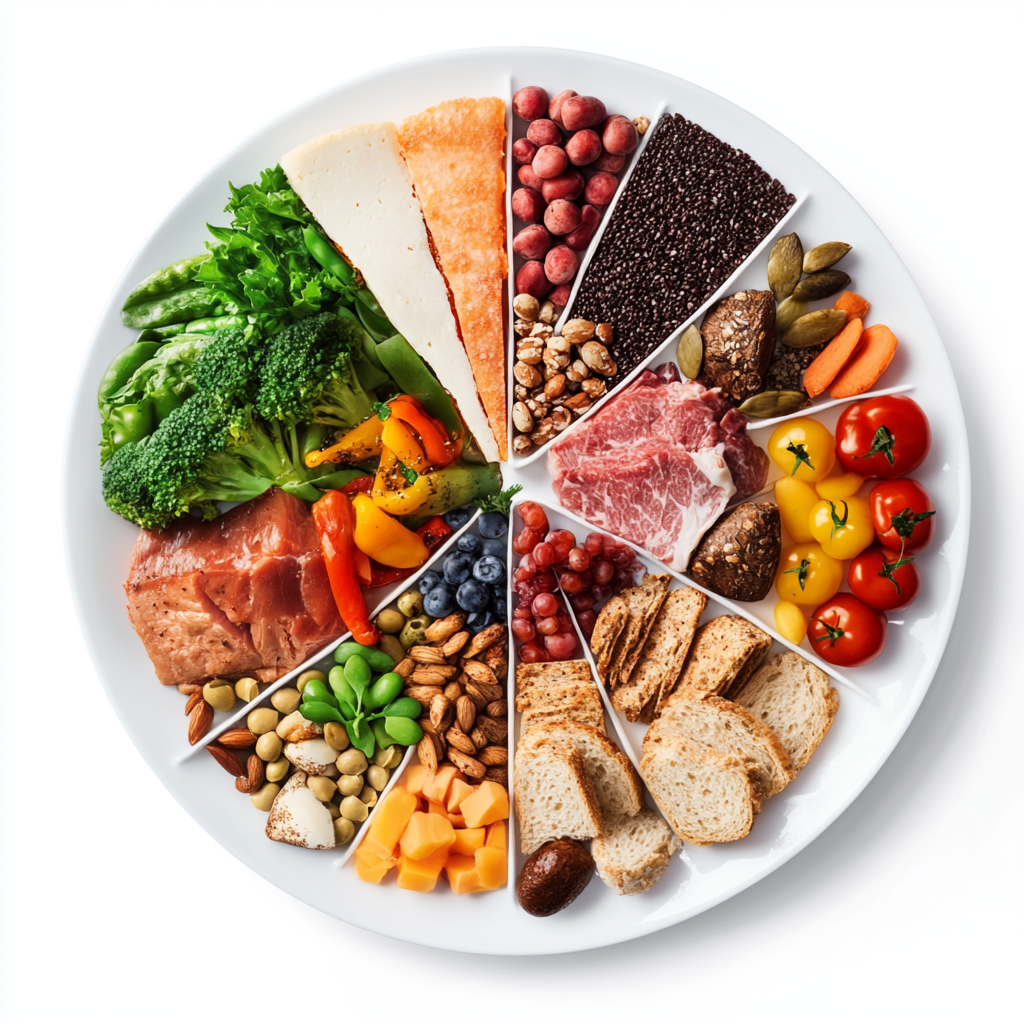 The balanced plate model shows ideal proportions for a healthy meal
Why a Balanced Diet Is Important
Feeding your body a balanced mix of nutrients helps it work effectively and efficiently. When your diet is balanced, you're likely to experience:
Better Energy Levels:
- Ever ridden the blood sugar rollercoaster (spike and crash) after a sugary meal, or felt sluggish on a low-carb crash diet? A balanced diet keeps your blood sugar stable by combining complex carbs with protein and fat.
- This means more steady energy throughout the day, without extreme highs and lows. You'll avoid that afternoon energy crash that sends you running for an energy drink or candy bar.
- Instead, your meals sustain you with consistent, reliable energy that carries you through your daily activities.
Improved Mood and Brain Function:
- Your brain needs a variety of nutrients to function optimally. Healthy fats (like omega-3s from fish, chia, flax) are associated with better brain health and mood regulation.
- Vitamins and minerals (like B-vitamins, iron, zinc, etc.) play roles in neurotransmitter production. A balanced diet has been linked to lower risk of mood disorders.
- Studies have found that people who eat plenty of fruits, vegetables, and whole foods tend to have a lower incidence of depression than those who eat a lot of processed, high-sugar foods.
- Even day-to-day, you might notice you're less irritable or foggy when you've eaten well.
Stronger Immune System:
- The nutrients in a balanced diet collectively support your immune function. Vitamin C (from citrus, berries, bell peppers, etc.), vitamin A (from sweet potatoes, carrots, leafy greens), zinc (from meats, shellfish, legumes), protein, and many others are crucial for building immune cells and fighting off infections.
- If you under-eat or subsist on nutrient-poor foods, you might find you get sick more often.
- Conversely, a well-nourished body is better equipped to stave off illnesses and recover faster if you do catch something.
Chronic Disease Prevention:
- Perhaps the most significant long-term benefit of a balanced diet is reduced risk of many chronic diseases. A balanced diet rich in fruits, vegetables, whole grains, and lean proteins can lower your risk of heart disease, stroke, type 2 diabetes, and certain cancers.
- Diets high in fiber (from whole plant foods) are linked to lower heart disease risk and better digestive health. Eating plenty of colorful fruits and veggies provides antioxidants that protect your cells from damage.
- Maintaining a healthy weight through balanced eating reduces strain on your heart and lowers the risk of diabetes.
- Regions known for longevity (like those famous 'Blue Zones') emphasize balanced, whole-food-based diets.
"Without a balanced diet, your body is more prone to disease, infection, fatigue, and subpar performance. It's like trying to run a car on the wrong type of fuel – it might sputter along for a while, but eventually, problems arise."
— Nutrition Science Institute
Building Your Own Balanced Diet
Now that we've covered the what and why, let's get practical. How do you create a balanced diet in real life? Here are some guidelines and tips:
Use the 'Plate' Method:
- A simple visual tool is the healthy plate model (like the Harvard Healthy Eating Plate). Imagine your plate divided into sections:
- Half the plate for vegetables and fruits (with a bit more veggies than fruit overall). These provide fiber, vitamins, and minerals for relatively few calories.
- About a quarter of the plate for lean protein: think fish, chicken, turkey, beans, lentils, tofu, eggs, or Greek yogurt. Aim for a variety throughout the week.
- About a quarter of the plate for whole grains or starchy veggies: such as brown rice, quinoa, whole-wheat bread or pasta, oats, potatoes, corn.
- Include a small serving of healthy fats: This might not be a separate section on the plate, but ensure you're getting sources like nuts, seeds, olive or canola oil for cooking, or avocado.
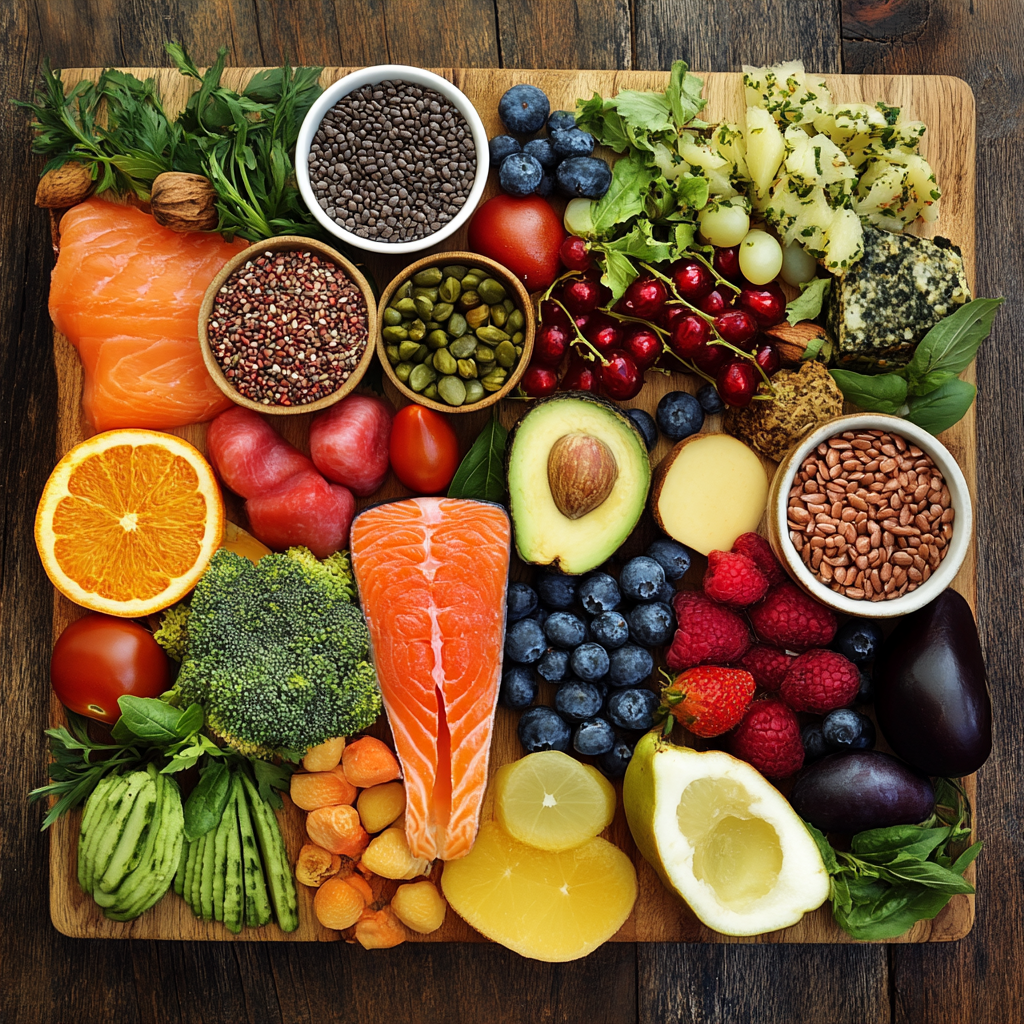 Variety within each food group ensures a broad spectrum of nutrients
Embrace Variety:
- Within each food group, mix it up. Different foods offer different nutrients. One week, buy spinach; the next, try kale or broccoli. Rotate your fruits – berries one week, oranges the next, bananas and apples in between.
- Eat a variety of protein sources too – perhaps chicken and black beans this week, fish and chickpeas next, etc.
- This not only ensures a broader nutrient intake but also keeps meals interesting. And variety has another benefit: it feeds a healthy gut microbiome.
- All those fibers from diverse plant foods act as prebiotics that nourish your beneficial gut bacteria, which is emerging as another key to good health.
Plan Balanced Snacks:
- A balanced diet isn't just three square meals; your snacks can contribute to nutrition too. Instead of reaching for vending machine chips or candy in the afternoon, plan for a combo of protein + fiber-rich carb.
- For example, carrot sticks with hummus, an apple with a small handful of nuts, or yogurt with berries.
- These will keep you satisfied longer and provide nutrients, unlike a sugary snack that spikes your blood sugar then leaves you crashing.
Stay Hydrated with Healthy Beverages:
- Water is part of a balanced diet as it's essential for every process in your body. Aim to drink plenty of water throughout the day.
- Limit sugary drinks like soda, sweet tea, or fruit drinks with added sugar – they can contribute a lot of extra calories with little nutrition.
- If you find plain water boring, infuse it with slices of citrus, cucumber, or mint, or have unsweetened herbal teas.
- Coffee and tea (minimal sugar) are fine in moderation and even come with some antioxidants.
Practice Moderation, Not Perfection:
- A balanced diet leaves room for your favorite treats. It's overall pattern that matters. If you eat balanced meals most of the time, having ice cream or pizza on occasion is not going to wreck your health.
- In fact, allowing yourself flexibility can prevent the binge-restrict cycle many dieters fall into. Some people like the 80/20 approach: if 80% of what you eat is healthful and balanced, 20% can be more indulgent.
- Enjoy those foods mindfully and without guilt. Deprivation often backfires. Balance means you can have a cookie – just maybe not the whole dozen in one go.
Overcoming Common Barriers
Eating a balanced diet in theory sounds great, but real-life challenges often get in the way – busy schedules, tight budgets, convenience of fast food, and so on. Here are a few tips to tackle these:
Meal Planning and Prep:
- Planning meals for the week can help you stick to balanced eating. Take some time on the weekend to decide what dinners (or lunches) you'll have, shop for the ingredients, and maybe prep some components.
- Wash/chop veggies, cook a batch of brown rice or grilled chicken, etc. Having healthy options ready to go makes it easier to avoid the drive-thru or frozen pizza on a hectic night.
- Even having a simple go-to template can help (e.g., 'stir-fry Mondays, taco Tuesdays, fish Thursdays...' where you rotate the specific ingredients).
Eating Out Smarts:
- You don't have to avoid restaurants or takeout, just make savvy choices. Look for balance on the menu – does the dish include veggies? If not, consider a side salad or veggie-based side.
- Choose grilled, baked, or steamed options more often than fried. Watch out for heavy sauces or extra large portions (perhaps share an entrée or save half for later).
- Many restaurants now offer whole grain substitutions or have calorie info available which can guide you.
On a Budget:
- Healthy eating doesn't have to be expensive. Some of the cheapest foods are very nutritious – think dried beans, lentils, eggs, seasonal fruits and veggies, frozen vegetables, canned tomatoes, oats, whole-grain bread, peanut butter.
- Plan meals around what's on sale or in season. Buying in bulk can reduce cost (for items you'll use). If fresh produce is pricey, rely more on frozen veggies and fruits.
- Tinned fish (like tuna or sardines) is a cheaper way to get omega-3-rich protein. You can absolutely build balanced, healthy meals on a tight budget with a bit of planning and smart shopping.
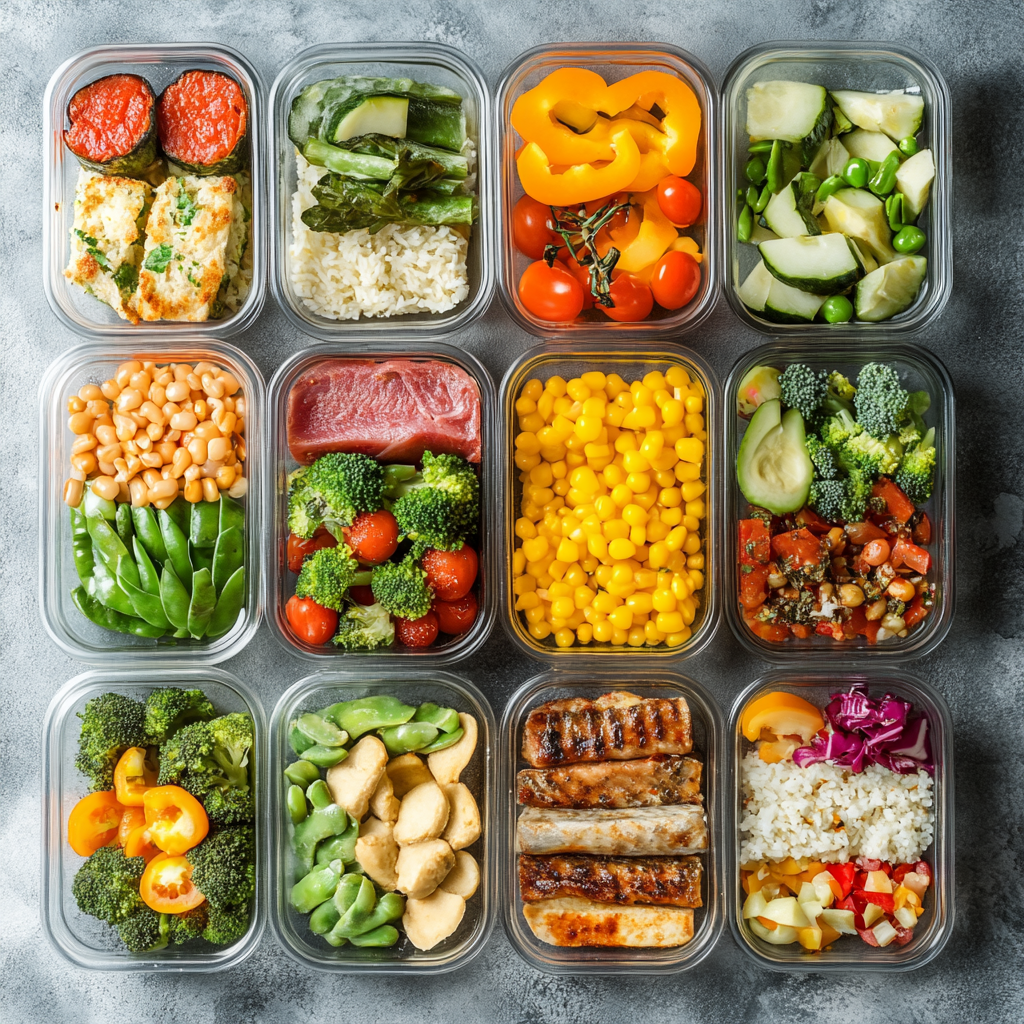 Meal planning and prep makes balanced eating more convenient and affordable
Time Crunch:
- If you're super busy, look for shortcuts. Stock healthy convenience items: bags of pre-cut veggies or salad mixes, microwavable pouches of quinoa or brown rice, rotisserie chicken (skin off) for a quick protein, canned beans for instant fiber/protein.
- Cook once, eat twice – make a big batch of soup, chili, or casserole that packs in food groups and have leftovers for lunch.
- Even a sandwich can be balanced: whole-grain bread, lean turkey or chickpea hummus for protein, load up with tomato, lettuce, cucumber, avocado, etc. A piece of fruit on the side and you're set in 5 minutes.
Adjusting to Your Needs
Everyone's body and lifestyle are different. Athletes or very active people might need more carbohydrates and overall calories. Someone trying to lose weight might shrink portions slightly but still include all groups. If you have specific health conditions (like high blood pressure), you might especially focus on certain aspects (like reducing sodium and emphasizing potassium-rich produce).
Vegetarians/vegans will balance without meat, focusing on plant proteins and B12 sources. The principles remain – variety, wholesomeness, moderation – but the specifics can be tailored. It can be helpful to consult a registered dietitian if you want personalized guidance.
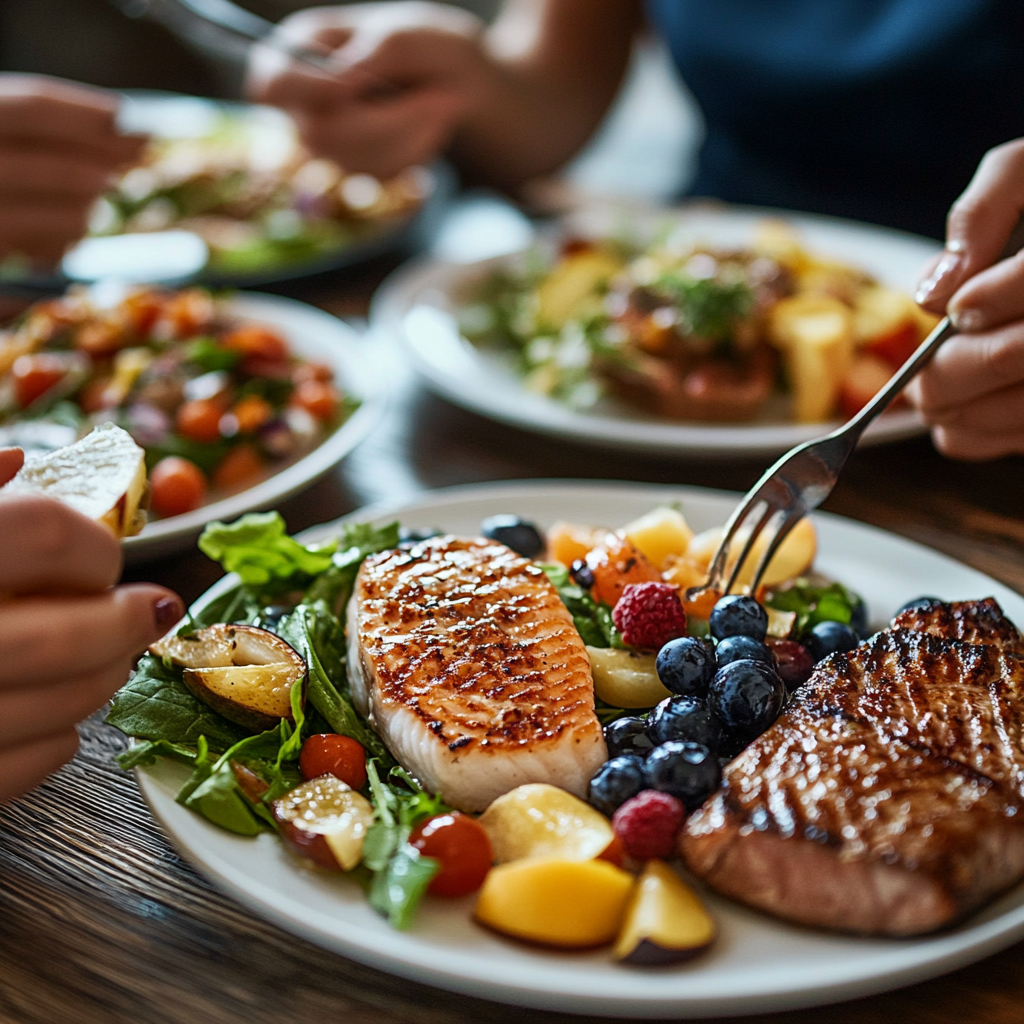 Balanced eating can be adapted to different lifestyles and dietary preferences
Making It Sustainable
The key to a balanced diet is making it a lifestyle, not a short-term diet. Make changes gradually if you need to. Maybe start by adding an extra serving of veggies each day, or swapping refined grains for whole grains. Your taste buds and habits will adjust over time.
As you feel the improvements in energy, mood, and maybe even doctor's visit numbers (cholesterol, blood pressure, etc.), it reinforces the benefits of balanced eating. Track how you feel; after a week or two of regular balanced meals, you'll likely notice you have more steady energy and feel more satisfied after eating.
"Balance is about setting yourself up for success each day. It's the art of making good nutrition a natural part of your daily routine. By prioritizing variety and wholesomeness while allowing flexibility, you're investing in your long-term health and happiness."
— Nutrition Balance Institute
Conclusion: Balance is Best
Trends will come and go – today it's keto, tomorrow maybe some new 'superfood' or pill – but the evidence continues to support that a balanced, varied diet is one of the best things you can do for your health. It may not be flashy, but it's effective and sustainable.
By eating in balance, you nourish your body with all it needs, maintain a healthy weight more easily, and can even indulge here and there without derailing your progress. Remember, the goal is long-term lifestyle, not a short-term diet.
In a world of extreme diet messages, you can feel confident that sticking to moderation and variety is a smart path. It's truly about balance, not perfection. Listen to your body's needs, enjoy a colorful array of foods, and savor your meals. With a balanced diet as your blueprint, you'll be building health meal by meal – and that's a structure that can last a lifetime.