
If exercise could be bottled as a prescription drug, it would be the most powerful medicine ever created. No other single intervention can match exercise's ability to prevent disease, enhance mental health, improve quality of life, and extend longevity. Yet despite overwhelming scientific evidence for its benefits, many people still view exercise as optional – something nice to do if you have time, rather than an essential component of health.
The truth is that exercise isn't just about looking good or losing weight. It's a fundamental biological need that affects every system in your body. From your brain to your bones, from your heart to your hormones, regular physical activity optimizes your body's function in ways that no medication can replicate. Let's explore why exercise truly deserves to be called the ultimate medicine.
Exercise as Brain Medicine
Perhaps no organ benefits more dramatically from exercise than your brain. Physical activity doesn't just make your muscles stronger – it literally makes your brain bigger, smarter, and more resilient.
Cognitive Enhancement:
- Exercise increases the production of BDNF (brain-derived neurotrophic factor), often called 'Miracle Grow for the brain'
- Regular physical activity promotes the growth of new brain cells and strengthens connections between them
- Aerobic exercise increases the size of the hippocampus, the brain region crucial for memory and learning
- People who exercise regularly show better performance on tests of attention, processing speed, and executive function
- Even a single workout can improve cognitive performance for several hours
- Exercise helps maintain cognitive function as you age, reducing the risk of dementia and cognitive decline
Mental Health Benefits:
- Exercise is as effective as antidepressant medication for treating mild to moderate depression
- Regular physical activity reduces symptoms of anxiety and helps manage stress more effectively
- Exercise promotes the release of endorphins, natural mood elevators that create feelings of well-being
- Physical activity helps regulate neurotransmitters like serotonin, dopamine, and norepinephrine
- Exercise provides a healthy outlet for stress and negative emotions
- Regular workouts improve self-esteem and body image, contributing to better overall mental health
Sleep and Stress Regulation:
- Regular exercise helps regulate your circadian rhythm, making it easier to fall asleep and stay asleep
- Physical activity reduces cortisol levels, helping your body manage stress more effectively
- Exercise improves sleep quality, leading to deeper, more restorative rest
- People who exercise regularly report feeling more energetic during the day and more relaxed at night
- Physical activity helps break the cycle of stress and poor sleep that can contribute to mental health issues
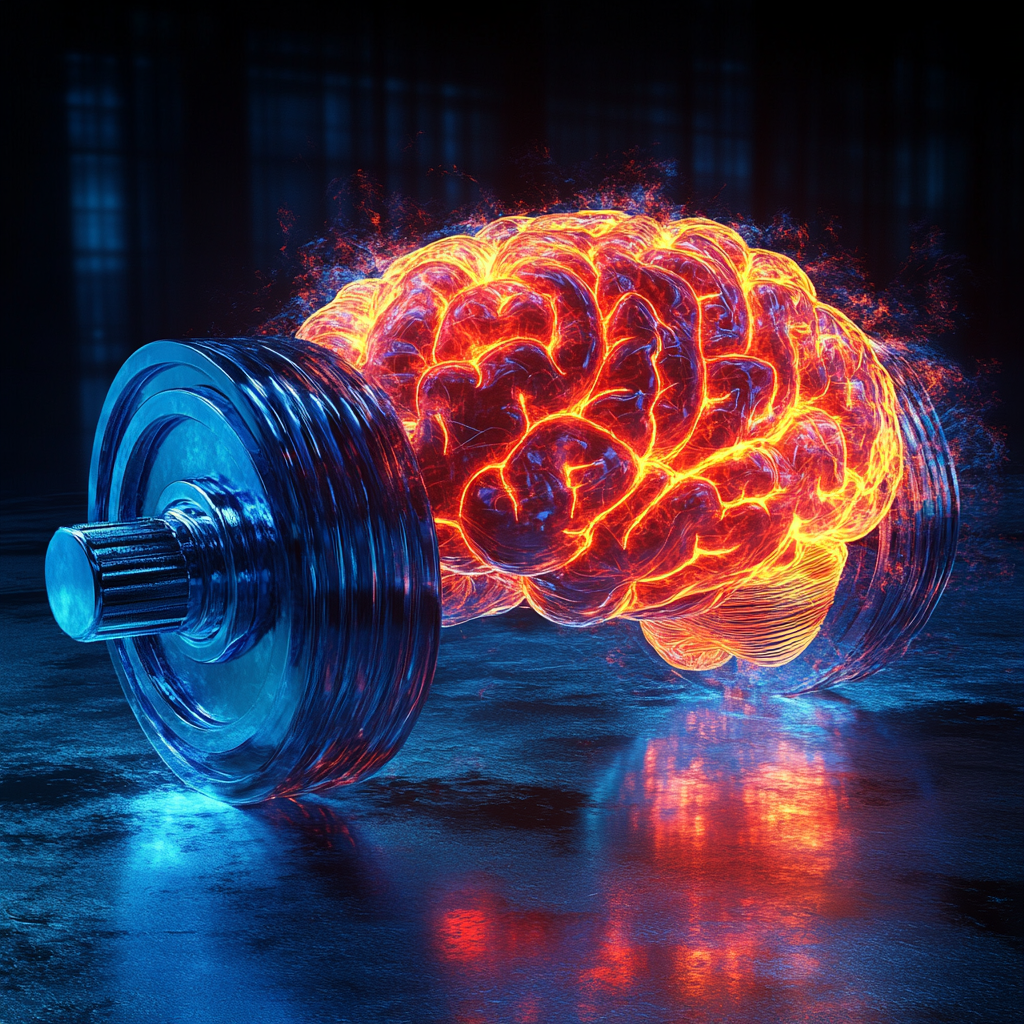 Exercise promotes brain health through multiple mechanisms
Cardiovascular Medicine in Motion
Your heart is a muscle, and like all muscles, it gets stronger with regular use. Exercise is the most powerful tool available for preventing heart disease and maintaining cardiovascular health throughout your life.
Heart Health Benefits:
- Regular exercise strengthens the heart muscle, allowing it to pump more blood with less effort
- Physical activity lowers resting heart rate and blood pressure, reducing strain on the cardiovascular system
- Exercise improves the flexibility and function of blood vessels, enhancing circulation throughout the body
- Regular physical activity raises HDL (good) cholesterol while lowering LDL (bad) cholesterol and triglycerides
- Exercise helps prevent the formation of arterial plaques that can lead to heart attacks and strokes
- Even moderate exercise can reduce the risk of heart disease by 30-50%
Blood Sugar and Metabolic Health:
- Exercise helps muscles use glucose more efficiently, improving blood sugar control
- Regular physical activity increases insulin sensitivity, reducing the risk of type 2 diabetes
- Exercise helps regulate metabolism, making it easier to maintain a healthy weight
- Physical activity promotes the growth of new mitochondria, the powerhouses of cells
- Regular exercise helps prevent metabolic syndrome, a cluster of conditions that increase disease risk
- Even a single bout of exercise can improve blood sugar levels for up to 24 hours
Circulation and Oxygen Delivery:
- Exercise promotes the growth of new blood vessels, improving circulation to all organs
- Regular physical activity increases lung capacity and efficiency
- Exercise enhances the blood's oxygen-carrying capacity
- Physical activity improves blood flow to the brain, supporting cognitive function
- Regular exercise helps prevent blood clots and reduces the risk of stroke
- Improved circulation from exercise helps with wound healing and recovery from illness
"Exercise is the closest thing we have to a magic bullet for health. It prevents disease, treats existing conditions, and enhances every aspect of physical and mental function."
— Exercise Medicine Research
Building and Protecting Your Body
Exercise doesn't just prevent disease – it actively builds and strengthens your body's systems, creating resilience that lasts a lifetime.
Musculoskeletal Health:
- Resistance training builds and maintains muscle mass, which naturally declines with age
- Exercise stimulates bone formation, helping prevent osteoporosis and fractures
- Regular physical activity improves joint flexibility and reduces arthritis symptoms
- Exercise strengthens tendons and ligaments, reducing injury risk
- Physical activity improves balance and coordination, preventing falls as you age
- Weight-bearing exercises are particularly effective for bone health
Immune System Enhancement:
- Moderate exercise boosts immune function, helping your body fight off infections
- Regular physical activity reduces chronic inflammation throughout the body
- Exercise helps immune cells circulate more effectively, improving disease detection
- Physical activity promotes the production of antibodies and white blood cells
- Regular exercise can reduce the risk of upper respiratory infections
- Exercise helps regulate the immune system, reducing the risk of autoimmune conditions
Hormonal Optimization:
- Exercise naturally boosts growth hormone production, supporting tissue repair and development
- Regular physical activity helps regulate insulin, cortisol, and other metabolic hormones
- Exercise can improve testosterone levels in men and help balance hormones in women
- Physical activity supports healthy thyroid function
- Exercise helps regulate appetite hormones, supporting healthy weight management
- Regular physical activity can help ease hormonal transitions like menopause
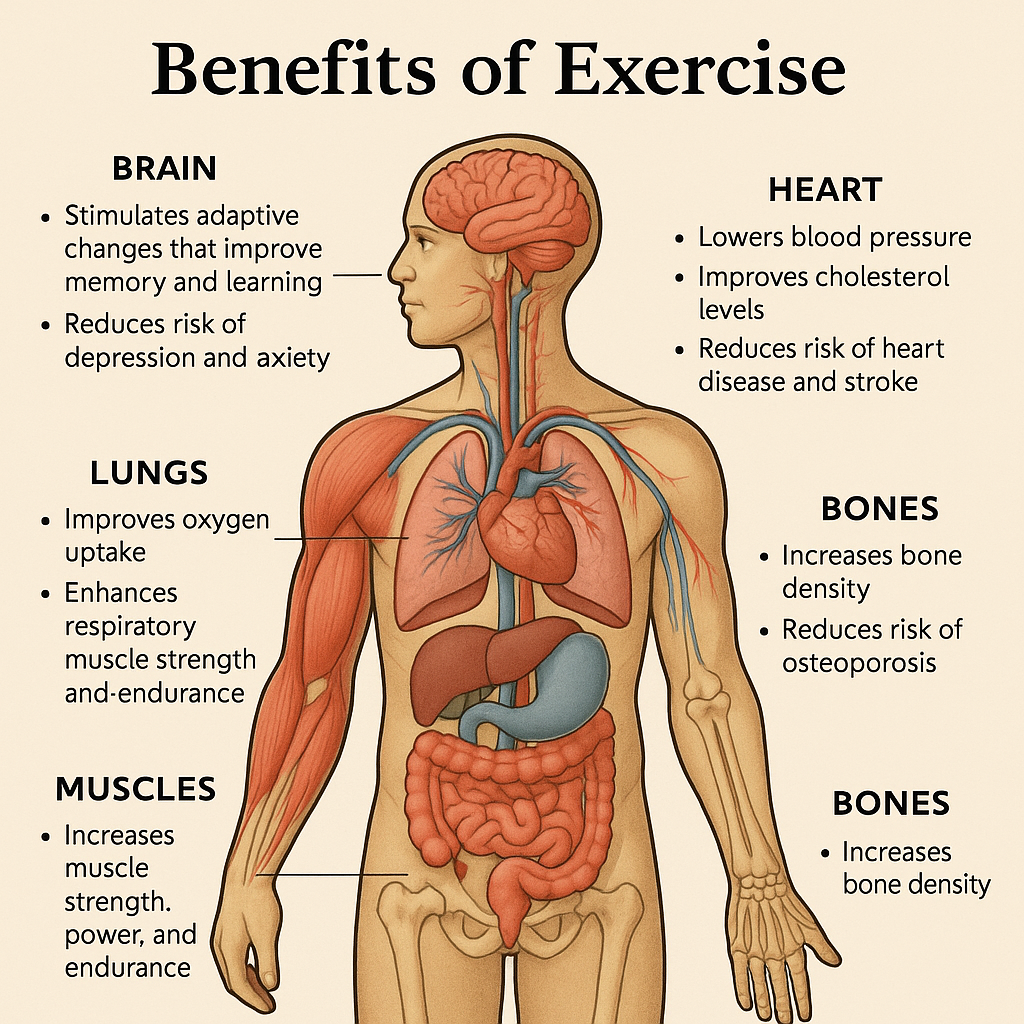 Exercise provides comprehensive benefits to all body systems
Disease Prevention and Treatment
Exercise isn't just preventive medicine – it's also therapeutic medicine. Regular physical activity can prevent, treat, and even reverse many chronic diseases.
Cancer Prevention and Treatment:
- Regular exercise can reduce the risk of several types of cancer by 20-30%
- Physical activity helps regulate hormones that can contribute to cancer development
- Exercise supports immune function, helping the body detect and destroy abnormal cells
- Regular physical activity reduces chronic inflammation, a risk factor for cancer
- Exercise can help cancer patients tolerate treatment better and recover more quickly
- Physical activity improves quality of life and survival rates in cancer survivors
Diabetes Prevention and Management:
- Regular exercise can reduce the risk of type 2 diabetes by up to 60%
- Physical activity helps control blood sugar levels in people with diabetes
- Exercise improves insulin sensitivity and glucose metabolism
- Regular physical activity can reduce the need for diabetes medications
- Exercise helps prevent diabetic complications like nerve damage and kidney disease
- Physical activity is recommended as first-line treatment for pre-diabetes
Neurological Diseases:
- Exercise can reduce the risk of Alzheimer's disease and dementia by 30-40%
- Regular physical activity slows the progression of Parkinson's disease
- Exercise helps maintain cognitive function and independence in neurodegenerative diseases
- Physical activity promotes brain plasticity and resilience
- Exercise can help manage symptoms of multiple sclerosis and other neurological conditions
- Regular physical activity is neuroprotective, helping preserve brain function with aging
Quality of Life and Longevity
Beyond preventing disease, exercise fundamentally improves how you experience life and can add years to your lifespan while adding life to your years.
Daily Function and Independence:
- Regular exercise maintains the strength and mobility needed for daily activities
- Physical activity improves balance and coordination, reducing fall risk
- Exercise helps maintain independence as you age
- Regular physical activity improves energy levels and reduces fatigue
- Exercise enhances confidence in your physical abilities
- Physical activity helps maintain the capacity to enjoy recreational activities
Longevity Benefits:
- Regular exercise can add 3-7 years to your lifespan
- Physical activity improves healthspan – the number of years lived in good health
- Exercise helps maintain telomere length, a marker of cellular aging
- Regular physical activity reduces all-cause mortality risk by 30-50%
- Exercise helps prevent or delay age-related diseases
- Physical activity maintains vitality and function well into advanced age
Social and Emotional Benefits:
- Group exercise activities provide social interaction and community
- Physical activity can be a shared experience that strengthens relationships
- Exercise provides a sense of accomplishment and goal achievement
- Regular physical activity builds discipline and mental toughness
- Exercise can be a form of meditation and stress relief
- Physical activity often takes place outdoors, providing additional mental health benefits
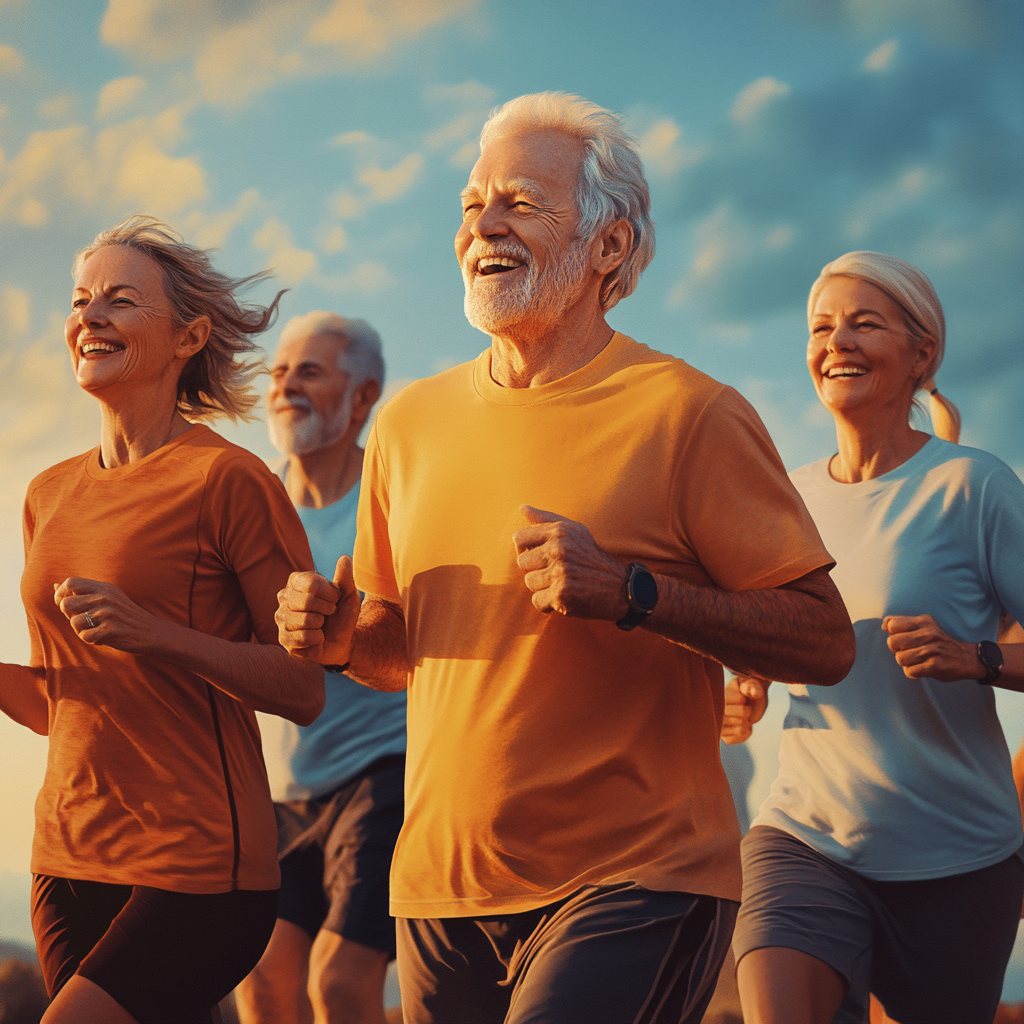 Exercise promotes healthy aging and extends both lifespan and healthspan
How Much Exercise Do You Need?
The good news is that you don't need to become a marathon runner or bodybuilder to gain the health benefits of exercise. Current guidelines and research show that even modest amounts of physical activity can provide substantial health benefits.
Minimum Effective Dose:
- At least 150 minutes of moderate-intensity aerobic activity per week (about 30 minutes, 5 days a week)
- Or 75 minutes of vigorous-intensity aerobic activity per week
- Muscle-strengthening activities involving all major muscle groups 2 or more days per week
- Even 10-15 minutes of daily activity provides significant health benefits
- The greatest health gains come from going from sedentary to minimally active
- More activity provides additional benefits, but with diminishing returns
Types of Exercise for Maximum Benefit:
- Aerobic exercise: Walking, swimming, cycling, dancing – improves cardiovascular health
- Resistance training: Weight lifting, bodyweight exercises – builds muscle and bone strength
- Flexibility and mobility: Yoga, stretching – maintains range of motion and prevents injury
- Balance training: Tai chi, balance exercises – prevents falls and improves stability
- High-intensity interval training: Short bursts of intense activity – time-efficient and highly effective
- Activities of daily living: Gardening, housework, taking stairs – all count toward your exercise goal
Making It Sustainable:
- Choose activities you enjoy – you're more likely to stick with exercise if it's fun
- Start slowly and gradually increase intensity and duration
- Find activities that fit your schedule and lifestyle
- Include variety to prevent boredom and work different muscle groups
- Set realistic goals and celebrate small victories
- Consider exercising with friends or family for motivation and accountability
Overcoming Common Barriers
Despite knowing the benefits of exercise, many people struggle to maintain regular physical activity. Understanding and addressing common barriers can help you develop a sustainable exercise routine.
Time Constraints:
- Remember that even 10 minutes of activity provides benefits
- High-intensity interval training can provide significant benefits in just 15-20 minutes
- Break exercise into smaller chunks throughout the day
- Incorporate activity into your daily routine (walk meetings, take stairs, park farther away)
- Exercise early in the morning before other obligations interfere
- Consider exercise as an investment in productivity and energy, not time lost
Lack of Energy or Motivation:
- Start with very small amounts of activity – even 5 minutes can help build the habit
- Remember that exercise actually increases energy levels over time
- Focus on how good you feel after exercise, not how hard it is to start
- Find an exercise buddy or group for accountability and support
- Set specific, achievable goals and track your progress
- Reward yourself for meeting exercise goals
Physical Limitations or Health Concerns:
- Consult with a healthcare provider to find safe, appropriate activities
- Start with very low-intensity activities like gentle walking or chair exercises
- Consider working with a physical therapist or certified trainer
- Focus on what you can do rather than what you can't
- Water-based exercises are often easier on joints and muscles
- Remember that any movement is better than none
 Exercise can be adapted for people of all ages and ability levels
The Exercise Prescription
If exercise were a medication, its benefits would be considered miraculous. It's effective for preventing and treating dozens of conditions, has minimal side effects when done properly, and provides benefits that extend far beyond the original target.
Consider this your exercise prescription: Start where you are, use what you have, do what you can. The goal isn't perfection – it's progress. Every step counts, every workout matters, and every day of activity is an investment in your current and future health.
The most important step is the first one. Whether it's a walk around the block, a few minutes of stretching, or a dance session in your living room, today is the perfect day to start experiencing the medicine of movement.
"Exercise is the single most powerful tool we have for preventing disease, enhancing mental health, and optimizing quality of life. It's not just medicine – it's the ultimate medicine."
— Sports Medicine Institute
Your Movement Journey Starts Now
The evidence is overwhelming: exercise is not optional for optimal health. It's a biological necessity that affects every aspect of your physical and mental well-being. The question isn't whether you should exercise – it's how you can find ways to move more that fit your life, your preferences, and your current ability level.
Start today. Start small if you need to, but start. Your future self – healthier, stronger, more resilient, and more vibrant – is waiting for you to take that first step. Make movement a non-negotiable part of your life, and discover why exercise truly is the ultimate medicine for body and mind.