
We've all experienced it – after a sleepless night, you feel groggy, irritable, and just 'off.' But what exactly is happening inside your body when you don't get enough quality sleep? The effects go far beyond feeling tired. Poor sleep impacts virtually every system in your body and mind, from your immune system and metabolism to your mood and cognitive abilities.
Understanding how sleep deprivation affects you can be a powerful motivator to prioritize better sleep habits. In this article, we'll explore the wide-ranging consequences of poor sleep on both your mental and physical health, and why getting quality rest should be a non-negotiable part of your wellness routine.
Sleep and Your Brain: Cognitive Consequences
Your brain doesn't just 'turn off' when you sleep – it's actually incredibly active, performing crucial maintenance and consolidation tasks. When you consistently don't get enough sleep, these processes suffer, leading to noticeable effects on your thinking and mental performance.
Memory and Learning Impairments:
- Sleep plays a crucial role in memory consolidation – the process of transferring information from short-term to long-term memory. Without adequate sleep, you may struggle to remember new information or recall things you learned
- Students who pull all-nighters before exams often perform worse than those who get a good night's sleep, despite spending more time studying
- Sleep-deprived individuals show reduced ability to form new memories and may have trouble accessing memories they've already formed
- The hippocampus, crucial for memory formation, is particularly sensitive to sleep loss
Attention and Focus Problems:
- Sleep deprivation significantly impairs your ability to concentrate and maintain attention. You might find your mind wandering during conversations or struggling to focus on tasks
- Research shows that after just one night of poor sleep, reaction times slow down and attention spans shorten
- Chronic sleep deprivation can make it feel like you're constantly fighting 'brain fog' – that frustrating feeling of mental cloudiness
- Tasks that normally feel automatic may require more conscious effort and take longer to complete
Decision-Making and Problem-Solving:
- When you're sleep-deprived, the prefrontal cortex – the brain region responsible for complex thinking and decision-making – doesn't function optimally
- You may find yourself making poor judgments, taking unnecessary risks, or struggling to think through problems logically
- Sleep loss impairs creative thinking and the ability to come up with innovative solutions
- Simple decisions can feel overwhelming, and you might find yourself procrastinating or avoiding choices altogether
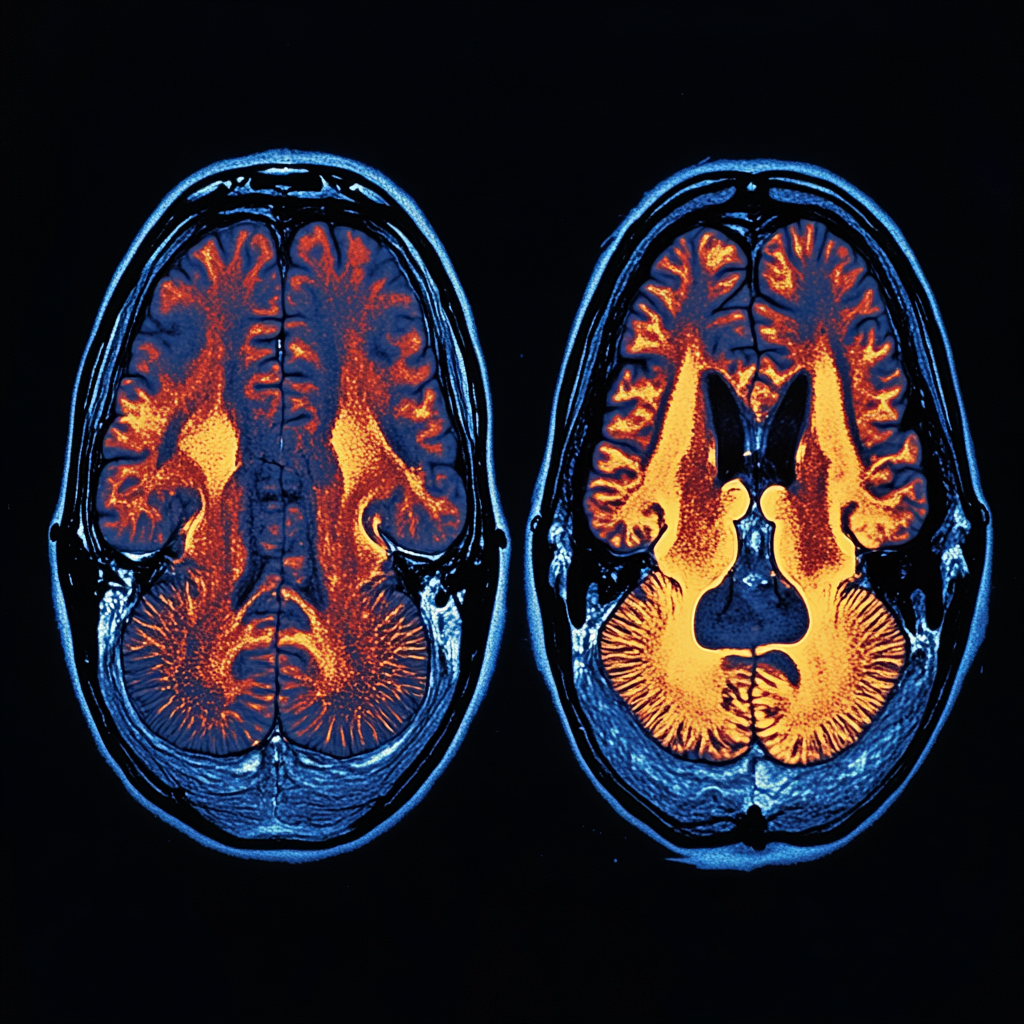 Sleep deprivation significantly impacts brain function and cognitive performance
Emotional and Mental Health Impact
Sleep and emotional regulation are intimately connected. When you don't get enough sleep, your emotional stability can suffer dramatically, affecting both your mental health and your relationships.
Mood Disturbances:
- Sleep deprivation makes you more emotionally reactive. Small annoyances that you'd normally shrug off can feel overwhelming
- You might experience increased irritability, mood swings, and a shortened temper with family, friends, and colleagues
- The emotional centers of your brain become hyperactive when sleep-deprived, while the rational thinking areas that normally keep emotions in check become less active
- This combination can lead to emotional outbursts, saying things you regret, or overreacting to situations
Anxiety and Stress:
- Poor sleep and anxiety create a vicious cycle. Sleep deprivation increases stress hormone levels, making you feel more anxious and worried
- When you're tired, everyday challenges can feel insurmountable, and you may catastrophize situations that wouldn't normally bother you
- Sleep loss impairs your ability to cope with stress effectively, leaving you feeling overwhelmed by normal life pressures
- Racing thoughts and worry can then make it even harder to fall asleep, perpetuating the cycle
Depression Risk:
- Chronic sleep problems are strongly linked to depression. People with insomnia are 10 times more likely to develop depression than those who sleep well
- Sleep deprivation affects the production and regulation of neurotransmitters like serotonin and dopamine, which play crucial roles in mood regulation
- When you're exhausted, activities you normally enjoy may feel pointless or overwhelming, leading to withdrawal from social activities and hobbies
- The combination of fatigue, mood instability, and cognitive impairment can create a perfect storm for depressive symptoms
"Sleep is not a luxury – it's a biological necessity. When we shortchange our sleep, we shortchange our ability to think clearly, regulate emotions, and maintain mental health."
— Sleep Medicine Research
Physical Health Consequences
Poor sleep doesn't just affect your mind – it takes a significant toll on your physical health as well. From your immune system to your cardiovascular health, sleep deprivation can have serious long-term consequences.
Immune System Suppression:
- Sleep is when your immune system produces infection-fighting cells and antibodies. Without adequate sleep, your body's defense mechanisms weaken
- People who get less than 7 hours of sleep are nearly 3 times more likely to catch a cold when exposed to the virus
- Vaccines may be less effective in sleep-deprived individuals because their immune systems don't respond as robustly
- Chronic sleep deprivation can lead to increased inflammation throughout the body, contributing to various health problems
- Recovery from illness takes longer when you're not getting quality sleep
Weight Gain and Metabolic Issues:
- Sleep deprivation disrupts hormones that regulate hunger and satiety. Leptin (which signals fullness) decreases, while ghrelin (which signals hunger) increases
- This hormonal imbalance makes you feel hungrier and less satisfied after eating, often leading to overeating and weight gain
- Sleep-deprived people tend to crave high-calorie, high-carbohydrate foods, making healthy eating choices more difficult
- Lack of sleep also affects insulin sensitivity, increasing the risk of type 2 diabetes
- Even short-term sleep restriction can impact glucose metabolism and increase blood sugar levels
Cardiovascular Health:
- Chronic sleep deprivation puts stress on your cardiovascular system. Blood pressure tends to rise when you don't get enough sleep
- People who consistently sleep less than 6 hours per night have a higher risk of heart disease and stroke
- Sleep loss increases inflammation and stress hormones like cortisol, both of which can damage blood vessels over time
- Irregular sleep patterns, even with adequate total sleep time, have been linked to increased cardiovascular risk
- Sleep apnea, a common sleep disorder, significantly increases the risk of heart problems and high blood pressure
 Poor sleep affects virtually every system in your body
Performance and Safety Concerns
Beyond health impacts, poor sleep can significantly affect your performance at work, school, and in daily activities. It can also create serious safety risks.
Work and Academic Performance:
- Sleep-deprived employees are less productive, make more errors, and have higher rates of absenteeism
- Students who don't get enough sleep show decreased academic performance, even when they study the same amount as well-rested peers
- Creativity and innovation suffer when you're tired, making it harder to come up with new ideas or solve complex problems
- Communication skills decline, potentially affecting relationships with colleagues, customers, or classmates
- Sleep deprivation can also affect your ability to learn new skills or adapt to changes in your work or academic environment
Safety Risks:
- Drowsy driving is responsible for thousands of car accidents each year. Being awake for 18 hours impairs driving ability similarly to having a blood alcohol level of 0.08%
- Sleep deprivation increases the risk of workplace accidents and injuries, particularly in jobs requiring attention to detail or operating machinery
- At home, tired individuals are more prone to accidents like falls, cuts, or burns due to decreased alertness and slower reaction times
- Medical professionals who work long shifts without adequate sleep show increased rates of medical errors
- Even simple tasks like cooking or using tools can become dangerous when you're severely sleep-deprived
The Cumulative Effect of Sleep Debt
One of the most important things to understand about sleep deprivation is that its effects are cumulative. Missing one night of sleep is bad enough, but consistently getting inadequate sleep creates what researchers call 'sleep debt' – and this debt compounds over time.
Studies show that after just one week of sleeping 6 hours per night instead of 8, people perform as poorly on cognitive tests as if they had stayed awake for 24 hours straight. The concerning part? The participants didn't realize how impaired they were. This suggests that we're often not aware of how much chronic sleep deprivation is affecting our performance and well-being.
Sleep debt can't be easily 'paid back' with occasional long sleep sessions. While sleeping in on weekends might help you feel temporarily better, it doesn't fully reverse the negative effects of chronic sleep restriction. The only real solution is consistent, adequate sleep night after night.
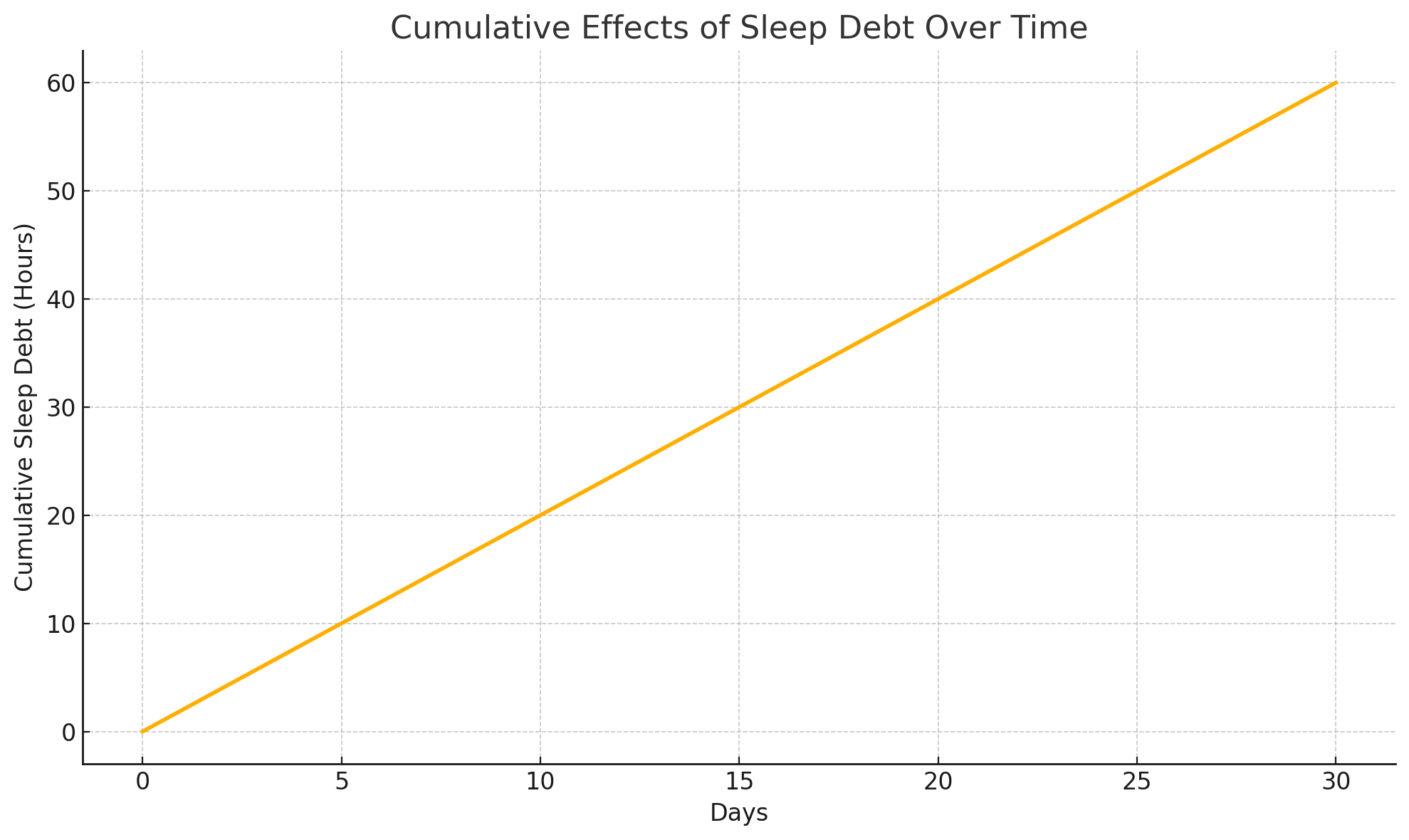 Sleep debt accumulates over time, with increasingly severe consequences
Breaking the Cycle: Why Recovery Matters
The good news is that many of the negative effects of poor sleep can be reversed with consistent, quality rest. When you start prioritizing sleep and getting adequate rest regularly, you'll likely notice improvements in multiple areas:
Recovery Benefits:
- Cognitive function begins to improve within days of better sleep, with memory, attention, and decision-making abilities returning to normal
- Mood stabilizes and emotional regulation improves, making you feel more resilient and better able to handle stress
- Immune function rebounds, helping you fight off infections more effectively and recover from illness faster
- Hormonal balance is restored, helping regulate appetite and metabolism
- Energy levels increase, and you'll find daily activities feel less effortful and more enjoyable
However, it's important to be patient during the recovery process. If you've been chronically sleep-deprived for weeks or months, it may take time to fully restore your sleep patterns and see complete improvement in all areas. Some people notice changes within a few days, while others may need several weeks of consistent good sleep to feel fully recovered.
Making Sleep a Priority
Understanding the extensive effects of poor sleep on your mind and body makes it clear that sleep isn't optional – it's essential for optimal health and performance. Yet in our busy culture, sleep is often the first thing we sacrifice when life gets hectic.
Consider reframing how you think about sleep. Instead of viewing it as 'lost time' or something you can skimp on to be more productive, recognize it as an investment in your health, performance, and overall quality of life. The hours you spend sleeping aren't wasted – they're when your body and mind repair, consolidate memories, and prepare for the challenges ahead.
If you're currently struggling with poor sleep, don't despair. Start with small changes: establish a consistent bedtime, create a relaxing pre-sleep routine, and optimize your sleep environment. Every improvement you make is a step toward better health, clearer thinking, more stable moods, and improved performance in all areas of your life.
"Quality sleep is not a luxury – it's the foundation upon which your physical health, mental clarity, and emotional well-being are built. Prioritize it, and everything else in your life will benefit."
— Sleep Health Foundation