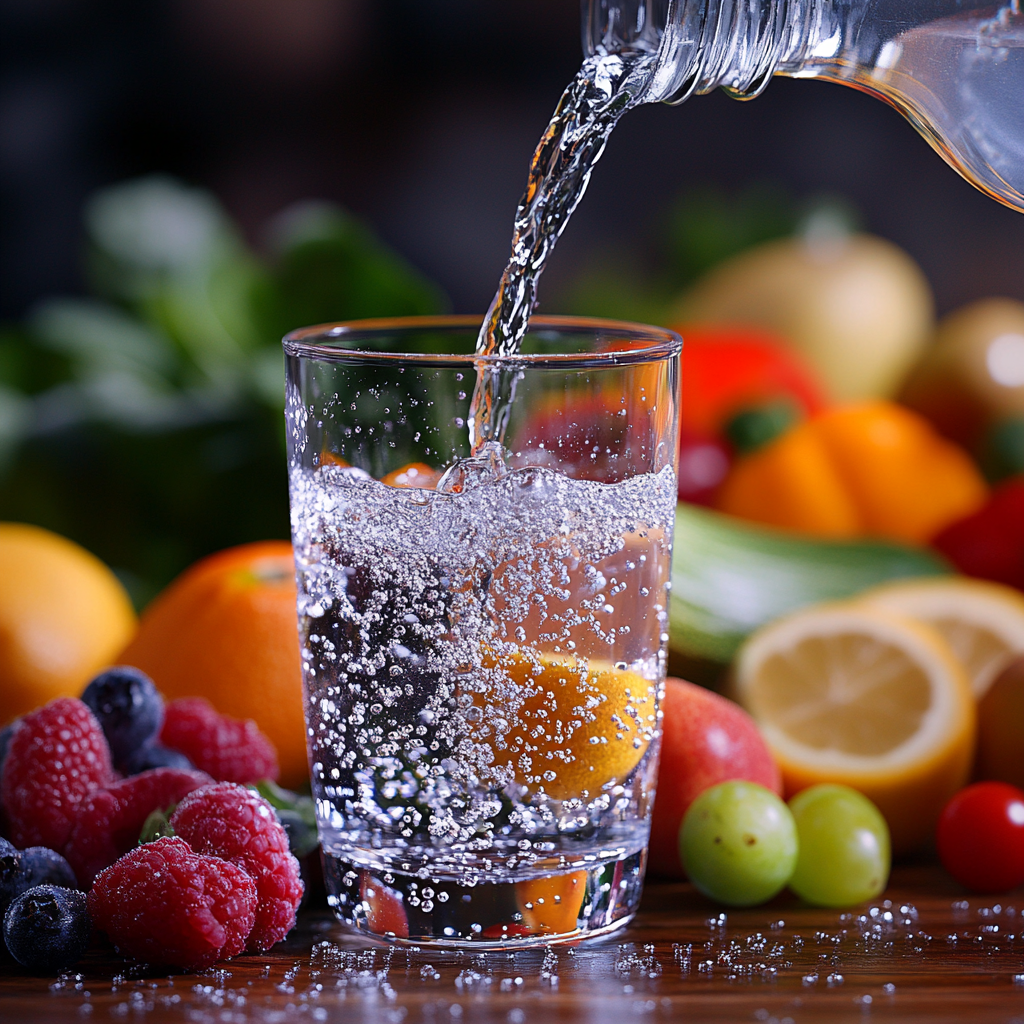
Water is often called the 'essence of life,' and for good reason – it makes up a majority of our body weight and is involved in virtually every bodily function. Yet, many of us are guilty of not drinking enough and getting mildly dehydrated without even realizing it. In this article, we'll dive into the importance of hydration, explore how much water you really need, and share practical tips to stay adequately hydrated throughout the day. So grab a glass of water and read on!
Why Hydration Matters
Imagine trying to wash dishes with only a drop of water – it just wouldn't work. Similarly, our bodies need sufficient water to operate smoothly. Here are some of the key roles water plays in our health:
Essential Functions of Water in Your Body:
- Every Cell's Function: Water is a major component of our cells. It's the medium in which all cellular processes occur. Without enough water, cells can't function optimally. This can affect muscle contractions, nerve impulses, and enzyme activity – basically, everything your body does.
- Temperature Regulation: When you get hot, you sweat – that's your body using water to cool you down. As sweat evaporates from your skin, it dissipates heat. If you're dehydrated, you can't sweat enough to regulate body temperature, increasing risk of overheating or heat stroke.
- Nutrient Transport and Digestion: Water is a primary component of blood. Blood carries oxygen and nutrients to cells and ferries away waste products. Adequate hydration ensures good circulation and blood volume. Water is also crucial for digestion – it's in saliva and digestive juices, helps dissolve nutrients, and moves waste along in the intestines (preventing constipation).
- Joint and Tissue Lubrication: Water is part of synovial fluid, which lubricates and cushions our joints, reducing friction. It's also in the fluid that protects your eyes (tears), spinal cord, and growing fetus (amniotic fluid). Essentially, water helps keep our tissues moist and supple.
- Waste Removal: Your kidneys use water to filter out toxins and waste, excreting them in urine. You also expel waste in water via sweat and even each breath (water vapor). If you don't drink enough, your urine gets concentrated (darker and stronger-smelling) because the body is trying to conserve water.
- Energy Levels and Brain Function: Even mild dehydration – as little as a 1-2% loss of body water – can affect energy and cognitive performance. You might feel tired, get a headache, or find it harder to concentrate when you need water. The brain is quite sensitive to hydration status.
Given these crucial roles, it's clear why even mild dehydration can have noticeable impacts – from feeling fatigued or dizzy to experiencing dry mouth, muscle cramps, or heart palpitations in more severe cases. In fact, being well-hydrated helps your heart pump blood more easily and can improve physical performance; when you're low on fluids, your heart has to work harder to circulate blood (since it's lower volume and thicker), and exercise feels much tougher.
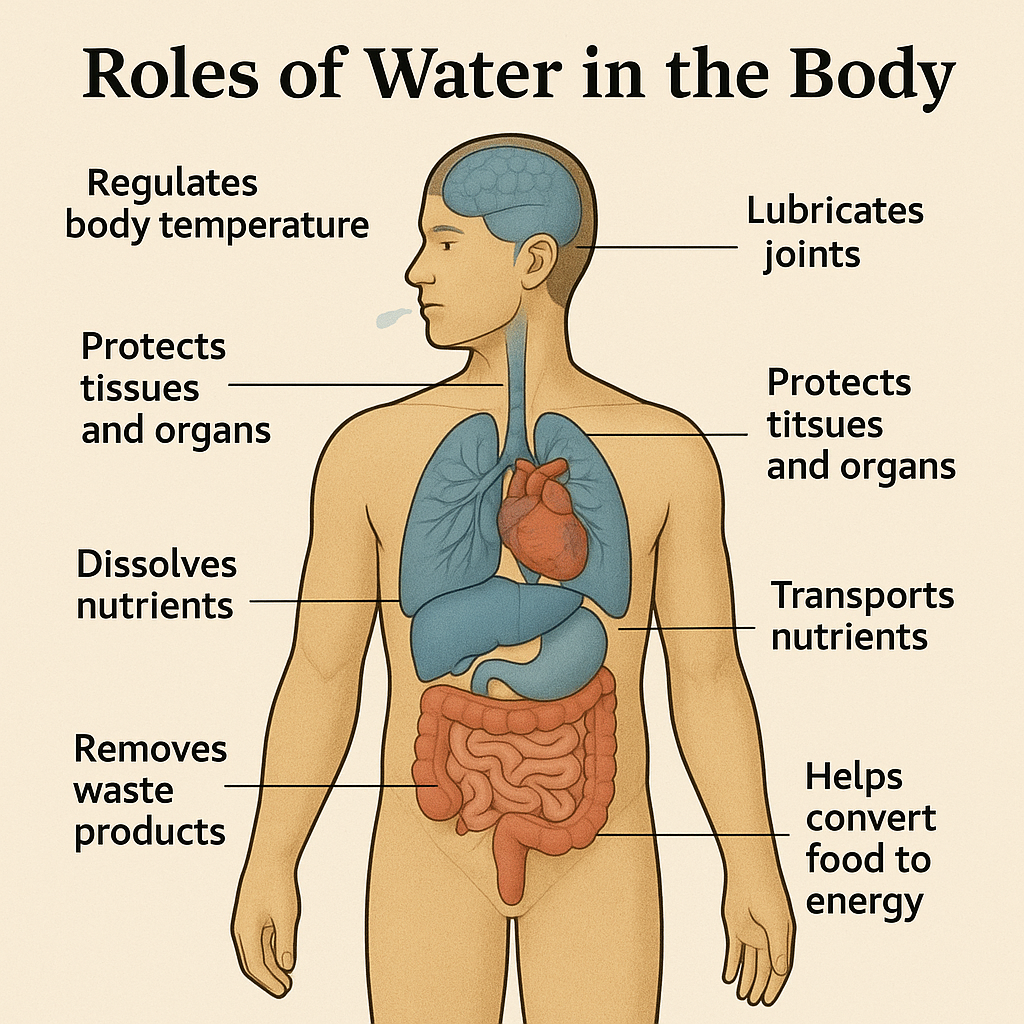 Water plays essential roles in every major body system
How Much Water Do You Need?
The classic adage is '8 glasses of 8 ounces a day' (about 2 liters total). While this is a reasonable ballpark for many people, the truth is hydration needs can vary widely based on factors like body size, activity level, climate, and overall health.
The U.S. National Academies of Sciences, Engineering, and Medicine gives general recommendations of about 3.7 liters of fluids a day for adult men (around 15.5 cups) and 2.7 liters a day for adult women (around 11.5 cups). Note: this includes all fluids from both drinks and food. About 20% of our daily water typically comes from foods (fruits, veggies, soups, etc.).
You might need more water if:
- You're physically active or exercise a lot (you lose more through sweat)
- You live in a hot or humid environment (again, more sweating)
- You're at high altitude (drier air can mean more respiratory water loss)
- You're pregnant or breastfeeding (needs are higher; for example, breastfeeding can require an extra 0.7 liters or so)
- You have a larger body size or more muscle mass (muscle holds more water than fat, and larger bodies have higher fluid needs)
- You consume a high-fiber diet (which requires water to help move fiber through the gut)
- You drink a lot of caffeine or alcohol (both can have diuretic effects, though moderate caffeine intake still contributes to hydration overall)
Conversely, you might need a bit less if you're very sedentary, in a cool environment, or eat a lot of high-water content foods.
Instead of aiming for a specific number of glasses, a good approach is to listen to your body's signals and monitor certain indicators:
- Thirst: This is obvious but important. Thirst kicks in when your body is already mildly dehydrated, so ideally you drink to prevent getting strongly thirsty. But generally, if you're thirsty, drink water. Don't ignore thirst during busy days.
- Urine Color: This is a handy hydration gauge. If you're well-hydrated, your urine should be a pale yellow (like lemonade). Dark yellow or amber means concentrated urine – a sign you need more fluids. Very light or clear urine might mean you're overdoing it.
- Frequency of Urination: Most hydrated individuals urinate every 3-4 hours. If you're going much less frequently, you might not be drinking enough. On the other hand, if you're running to the bathroom constantly and the urine is almost clear every time, you could ease up a bit.
"The '8x8' rule (8 glasses of 8 oz) wasn't based on hard science but became popular as a simple guideline. It isn't far off for many people, but remember that all beverages count – even coffee and tea contribute more than they take away."
— Hydration Research Institute
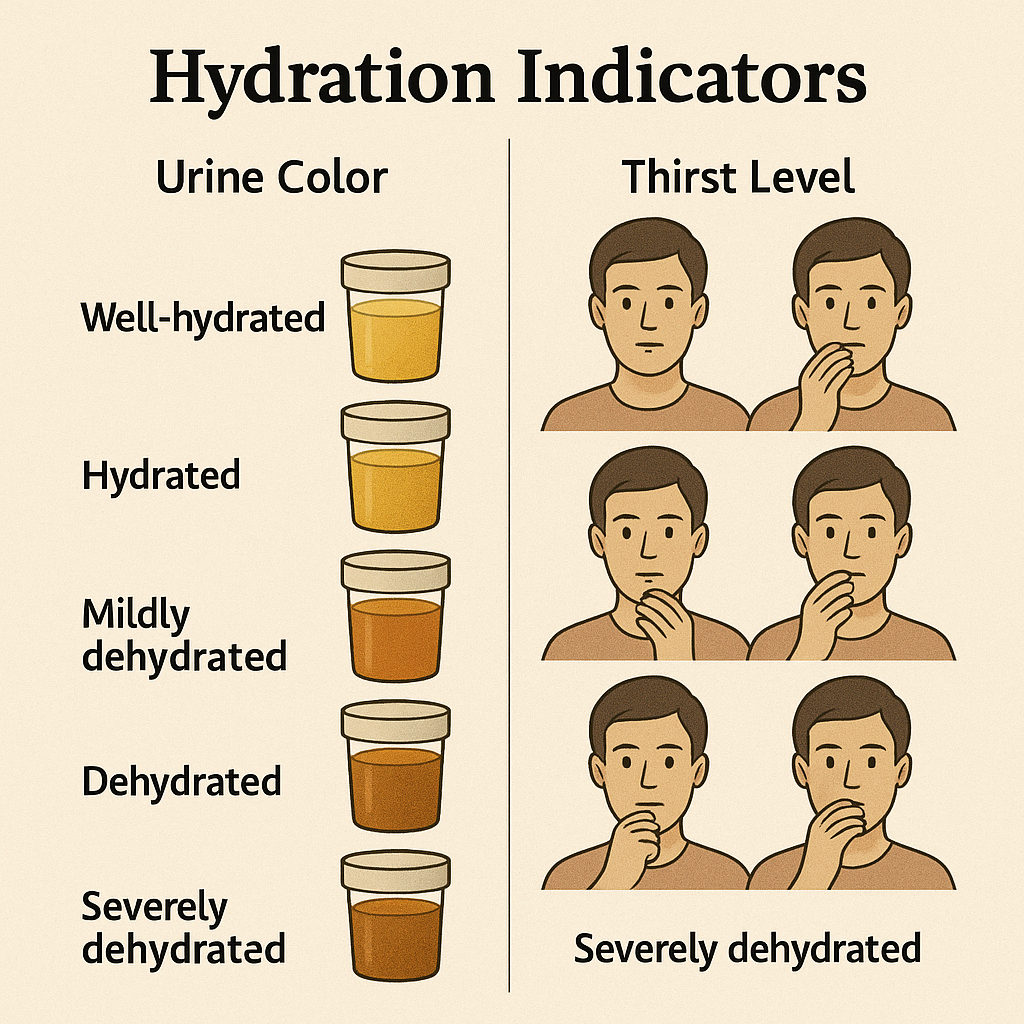 Your body provides clear signals about your hydration status
Signs of Dehydration and Over-Hydration
We've talked about thirst and urine color as cues. Other signs of mild to moderate dehydration include:
Dehydration Warning Signs:
- Dry mouth, dry lips
- Headache
- Fatigue or feeling lightheaded
- Dry or cool skin, flushing
- Muscle cramps
- Constipation (if chronically not drinking enough)
- In more severe cases, rapid heartbeat, dizziness, confusion, and very dark urine or no urination at all – these require prompt rehydration and possibly medical attention
On the flip side, while rare for most, there is such a thing as over-hydration or hyponatremia (water intoxication). This can happen if someone drinks excessive water without adequate salt, leading to diluted blood sodium levels. It's mostly seen in endurance athletes who overdo plain water intake or in certain medical/psychiatric conditions.
Over-hydration symptoms include:
- Headache
- Nausea
- Confusion
- In extreme cases, seizures
The key is balance – it's hard to over-hydrate accidentally in daily life unless you're forcing huge volumes. As long as you drink to quench thirst and not absurdly beyond, you should be fine. And athletes doing hours of endurance exercise should consider including electrolytes (like sports drinks or salted foods) along with water to replace what's lost in sweat.
Tips to Stay Hydrated
1. Carry a Water Bottle:
- A simple reusable water bottle can be your best friend. Keep it with you at work, in your bag, or in the car.
- Having water on hand makes you more likely to sip regularly. If it's right there, you don't have to seek it out.
- Plus, you can track how many times you refill it to gauge intake.
2. Flavor It Up:
- If you find plain water boring, try infusing it with natural flavor. Add slices of lemon, lime, cucumber, or fresh berries.
- Throw in a few mint leaves or a piece of ginger. This gives a subtle taste that can encourage you to drink more.
- Alternatively, bubbly water (seltzer) might be more enjoyable for some – as long as it's not loaded with sugar, that counts toward hydration too.
3. Set Hydration Breaks:
- Just as you might take stretch breaks, take water breaks. Make it a habit to drink a glass first thing in the morning (overnight you become mildly dehydrated).
- If you work at a desk, sip throughout the day and maybe set a reminder to finish and refill your bottle every couple of hours.
- Drink a glass with each meal and one between meals. Over time, it'll become routine.
4. Eat Your Water:
- Include water-rich foods in your diet, especially in hot weather. A crisp salad with lettuce, cucumber, and tomato, a juicy peach, a bowl of broth-based soup – these all provide fluid.
- Watermelon, for example, is about 92% water (and delicious on a summer day). Citrus fruits, melons, berries, zucchini, celery – lots of produce can help keep you hydrated.
- It's a sneaky way to hydrate while getting nutrients.
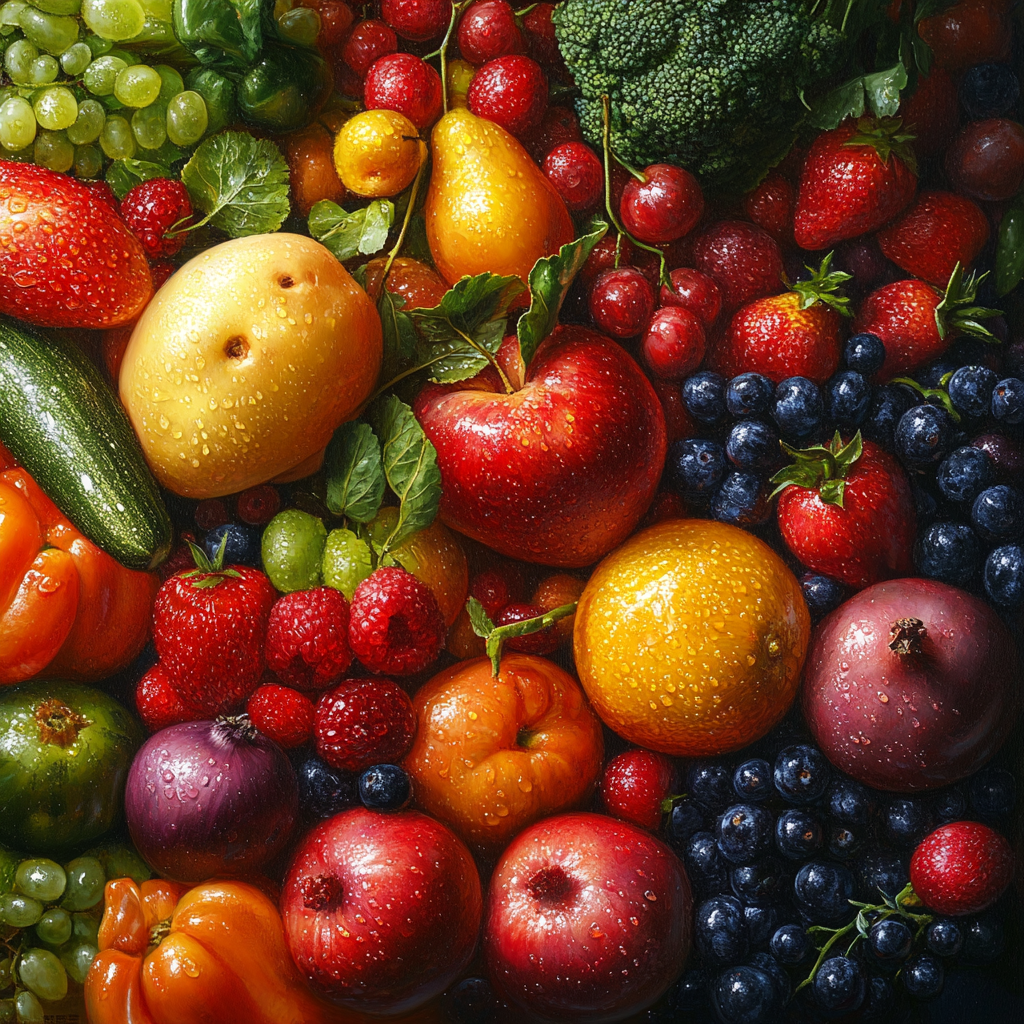 Many foods contribute significantly to your daily fluid intake
5. Watch Caffeine and Alcohol:
- Both caffeine and alcohol can make you lose extra fluid because they have diuretic effects (they make your kidneys excrete more water).
- Moderate caffeine (like a cup or two of coffee) is usually fine and still contributes to hydration, but if you're having a lot, ensure you also drink water alongside.
- Alcohol is more dehydrating; a good practice is to alternate alcoholic drinks with a glass of water when you're out, which not only helps hydration but can prevent a nasty hangover.
6. Hydrate Before, During, and After Exercise:
- Don't wait until you're an hour into a tough workout to think about water. Drink some water in the hour leading up to exercise (not chugging right before, but be well-hydrated).
- For workouts longer than about 60 minutes, especially in heat, sip water (with electrolytes for very intense or long-duration exercise) during the activity.
- And afterwards, rehydrate to replace sweat losses. If you lost a lot (your body weight dropped noticeably from pre- to post-exercise), you'll need to drink enough to make up for that, ideally over the next few hours.
7. Know Your Sweat Rate:
- Some people are heavy sweaters, some aren't. If you have salt-crusted skin or clothes after exercise, you're losing a lot of salt – consider a sports drink or salted snack with your water.
- If you rarely sweat much even when exercising, you might not need as much fluid replacement (but still some).
- Tuning into how your body responds in various conditions can help tailor your hydration strategy.
8. Use Technology or Reminders if Needed:
- If you're someone who forgets to drink water until you're parched, use cues. There are apps like BestYou that send reminders to drink water, or even smart water bottles that glow or track intake.
- Or link drinking water with a habit you already have, like drinking a glass at the top of each hour or before each meal.
9. Don't Wait for Thirst (Mostly):
- As noted, thirst is a lagging indicator for many. By the time you feel really thirsty, you might already be down a liter or two.
- Especially on hot days or busy days, make a conscious effort to drink regularly.
- However, also don't force down excessive water if you're not thirsty at all; your body's cues are generally reliable if you pay attention to them.
10. Be Mindful of Special Situations:
- During illness (fever, flu, etc.), prioritize fluids. Broth, diluted juice, ice pops, and of course water can prevent dehydration when you might not feel like eating or drinking much.
- For older adults, sense of thirst can diminish, so if you have older family members, encourage them to drink fluids periodically, as they might not feel thirsty until quite dehydrated.
- Kids, too, especially when playing, might ignore thirst – so offer them water regularly.
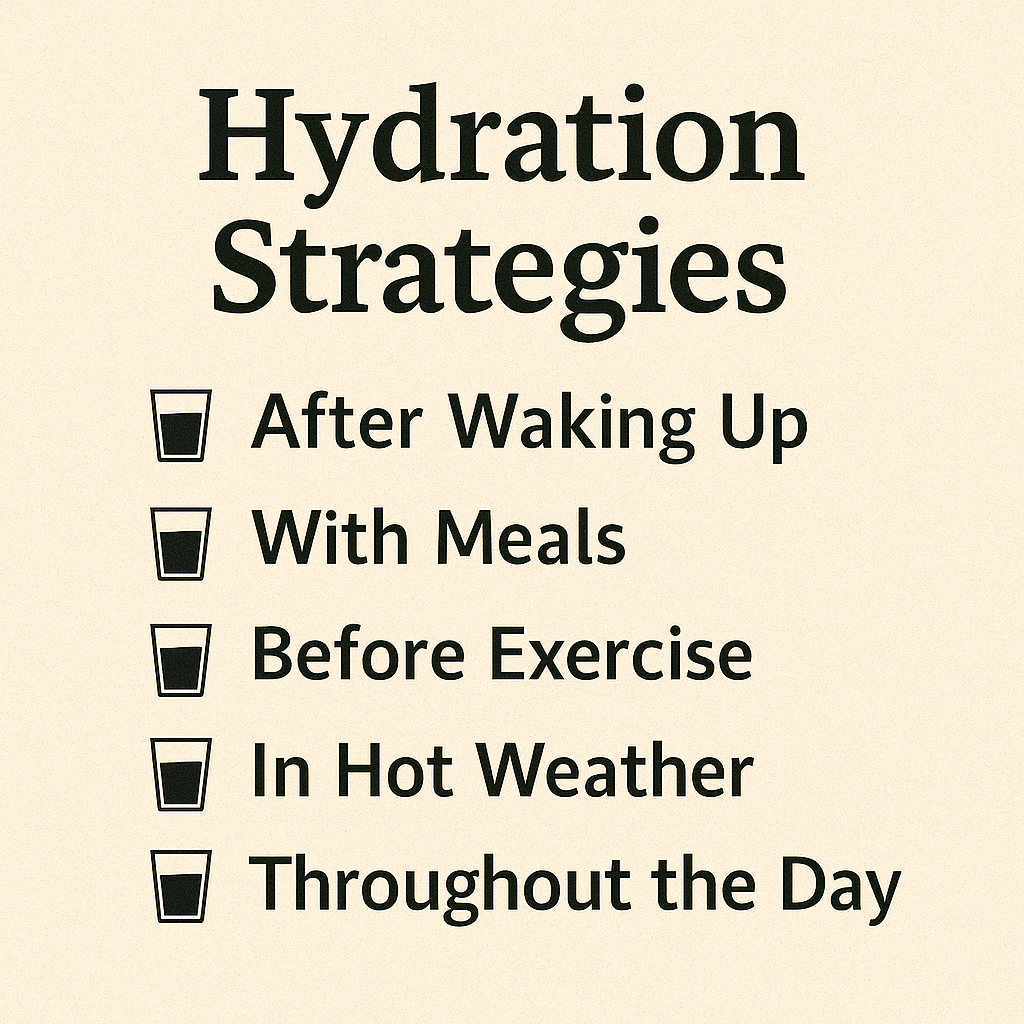 Simple strategies can help you maintain optimal hydration
Hydration and You – Finding the Balance
It's worth noting that optimal hydration isn't about drowning yourself in gallons of water – it's about maintaining the balance. Our kidneys are excellent regulators, and they will expel excess water if we overdo it. The goal is to avoid both extremes (dehydration and overhydration) and to feel your best.
Many people notice that when they make a point to stay better hydrated, they have more energy and even things like headaches or constipation improve. If plain water still feels like a chore, consider other hydrating beverages: herbal teas (iced or hot) can be great – for instance, iced hibiscus or chamomile tea, or hot peppermint tea. A splash of fruit juice in water for flavor, or coconut water (which also provides some electrolytes and natural sweetness) can be nice after a workout.
Lastly, remember hydration is a daily thing. You can't 'stock up' by chugging a ton one day and then not drinking the next. The body needs a steady supply – we lose water every moment via breathing, sweating, and eliminating waste. So, keep that bottle handy and make sipping second nature.
"Your body is 50-70% water – keep that internal ocean topped up and you'll sail through your days more smoothly! Cheers to water – the simplest, cheapest, and yet most vital nutrient of all."
— Hydration Health Institute
Special Hydration Considerations
Different situations and life stages may require special attention to hydration:
During Hot Weather:
- Increase fluid intake before you feel thirsty
- Seek shade and air conditioning when possible
- Wear light-colored, loose-fitting clothing
- Avoid prolonged outdoor activities during peak heat hours
- Consider electrolyte replacement if sweating heavily
When Traveling:
- Airplane cabins are notoriously dry, so drink extra water during flights
- Limit alcohol and caffeine while flying
- Bring an empty water bottle through security and fill it after
- Stay hydrated to help combat jet lag and travel fatigue
During Illness:
- Fever increases fluid needs significantly
- Vomiting and diarrhea cause rapid fluid loss
- Sip small amounts frequently if you can't keep large amounts down
- Consider oral rehydration solutions for severe fluid loss
- Seek medical attention if you can't keep fluids down
The Bottom Line
Hydration is fundamental to health, yet it's often overlooked in our busy lives. Water supports every major body function, from circulation and temperature regulation to digestion and waste removal. The good news is that staying hydrated doesn't have to be complicated.
Listen to your body, use visual cues like urine color, and develop simple habits like carrying a water bottle and eating water-rich foods. Remember that all fluids count toward hydration, and that individual needs vary based on activity, climate, and personal factors.
Most importantly, make hydration a consistent daily practice rather than something you think about only when you're already thirsty. Your body will thank you with better energy, clearer thinking, improved physical performance, and overall better health. Stay hydrated, stay healthy!