
Getting quality sleep is one of the pillars of good health, yet many people struggle with it. Sleep hygiene refers to the healthy habits and conditions that help you sleep well on a regular basis. Adopting good sleep hygiene can make falling asleep easier and improve the overall quality of your rest.
It's worth the effort: getting enough sleep boosts your immune system, helps regulate weight and metabolism, improves mood, and lowers the risk of chronic illnesses. On the flip side, poor sleep habits can lead to trouble sleeping and daytime drowsiness. In one study, 76.5% of people with poor sleep hygiene reported frequent sleep problems, compared to 56.1% of those with good habits. The message is clear – better sleep hygiene means better sleep, which means a healthier you.
Why Sleep Hygiene Is Important
Sleep isn't just 'time off' for your body – it's an active period during which critical processes occur. While you sleep, your brain consolidates memories and learning, your muscles and tissues repair and grow, and your hormones reset for the next day. If your sleep is constantly disrupted or cut short, these processes suffer.
Over time, insufficient or low-quality sleep can impair your cognitive function, weaken your immune response, and even contribute to issues like high blood pressure and depression. By practicing good sleep hygiene, you create an environment and routine that maximizes your chance of getting restorative sleep each night.
Healthy sleep habits also help maintain your mental health and mood. Anyone who's pulled an all-nighter or slept poorly knows the next day can bring irritability, trouble concentrating, and low energy. Chronically poor sleep is linked to higher stress levels and can exacerbate anxiety and depression. Conversely, getting consistent, quality sleep helps you feel more alert, emotionally balanced, and resilient to everyday stress. Think of sleep as the foundation of your daily well-being – with strong sleep habits, you're setting yourself up to handle whatever the day brings.
 Good sleep hygiene creates the foundation for restorative sleep
Tips for Better Sleep Hygiene
There are many practical steps you can take to improve your sleep hygiene. Here are some proven tips and habits to incorporate into your routine for better sleep:
Stick to a Consistent Sleep Schedule:
- Go to bed and wake up at the same time every day, even on weekends. A regular sleep schedule helps regulate your body's internal clock (circadian rhythm) and trains your brain to expect sleep at a certain time
- Consistency – especially with your wake-up time – makes it easier to fall asleep at night
- Research suggests that irregular sleep patterns, such as varying your bed or wake time a lot, are associated with higher risks to heart health, even if total sleep duration is sufficient
Create a Restful Bedroom Environment:
- Make your sleeping area a calm, comfortable sanctuary. Keep your bedroom quiet, dark, and cool – generally, a slightly cool temperature (around 65°F or 18°C for many people) is ideal for sleep
- Minimize noise (use earplugs or a white noise machine if needed) and block out light with curtains or an eye mask
- Ensure your mattress and pillows are supportive and comfortable
- Reserve the bed for sleep (and intimacy) only, so your mind associates it with relaxation and rest
Develop a Calming Bedtime Routine:
- Help your mind and body wind down in the hour before bed. Avoid stressful work or intense discussions late at night
- Instead, do relaxing activities – take a warm shower or bath, stretch gently, practice meditation or deep breathing, or read a (non-work) book
- A consistent pre-sleep routine sends a signal to your brain that it's time to let go of the day's worries and prepare for sleep
- Some people journal to get anxious thoughts out on paper, or they sip herbal tea (caffeine-free) as a soothing ritual
- Find what relaxes you and make it a habit each night
Power Down Electronics:
- The screens of phones, tablets, computers, and TVs emit blue light that can suppress your body's melatonin production – the hormone that makes you sleepy
- Scrolling social media or catching up on emails in bed can also engage your brain at the very time you want it to unwind
- Make it a rule to turn off electronic devices at least 30 minutes (or even an hour) before bedtime
- In that wind-down period, swap screen time for something calming
- If you must use a device, consider using night mode or blue light filters, but it's better to set the phone aside
- Try to keep electronics out of the bedroom or at least silenced; late-night notifications or the temptation to check messages can disrupt your sleep
 A consistent bedtime routine signals your brain that it's time to sleep
Watch What and When You Eat or Drink:
- Your daytime and evening eating habits can significantly affect your sleep. In general, avoid large meals, heavy or spicy foods, and alcohol close to bedtime
- A big or spicy meal late at night can cause indigestion that makes it hard to sleep, and while alcohol might make you drowsy at first, it disrupts sleep stages and often leads to poorer quality sleep
- Watch your caffeine intake in the later part of the day – avoid caffeine in the afternoon and evening, since its stimulating effects can last for hours
- This includes coffee, certain teas, energy drinks, and even chocolate
- Instead, if you're a bit hungry before bed, have a light snack that combines complex carbs and protein (like a small bowl of oatmeal or a banana with peanut butter) which can actually help some people sleep
- Stay hydrated during the day, but try not to guzzle large amounts of water right before bed to minimize overnight bathroom trips
Get Regular Exercise (But Not Right Before Bed):
- Exercise is excellent for sleep – it can help you fall asleep faster and enjoy deeper sleep
- Being physically active, whether it's cardio, strength training, or even a long walk, benefits your sleep and overall health
- Aim for at least 30 minutes of moderate exercise most days, but try to finish vigorous workouts at least a few hours before bedtime
- Exercising too late at night can energize you and raise your core body temperature, making it harder to drift off
- Earlier in the day is best, but gentle mind-body exercises like yoga or stretching can be okay closer to bedtime as they relax you
- Over time, regular exercise (along with the other healthy habits) will pay off with more restful nights
Mind Your Nap Timing:
- If you're really sleepy in the afternoon, a short nap can be refreshing – but naps can be a double-edged sword
- Keep naps relatively brief (around 20-30 minutes) and avoid napping in the late afternoon or evening
- Long or late naps can confuse your body clock and make it harder to sleep at night
- If you find that naps consistently interfere with your nighttime sleep, you may need to skip them or limit them and focus on getting more consolidated sleep at night instead
By incorporating these habits, you'll be putting yourself in the best position to sleep well each night. Remember that sleep hygiene isn't about strict rules – it's about finding a rhythm and environment that consistently works for you. It may take a little time to adjust to a new routine, but stick with it. If you slip up (like stay out late on a weekend or have a night of bad sleep), just resume your good habits the next day. Over time, your body will adapt and respond to these cues for sleep.
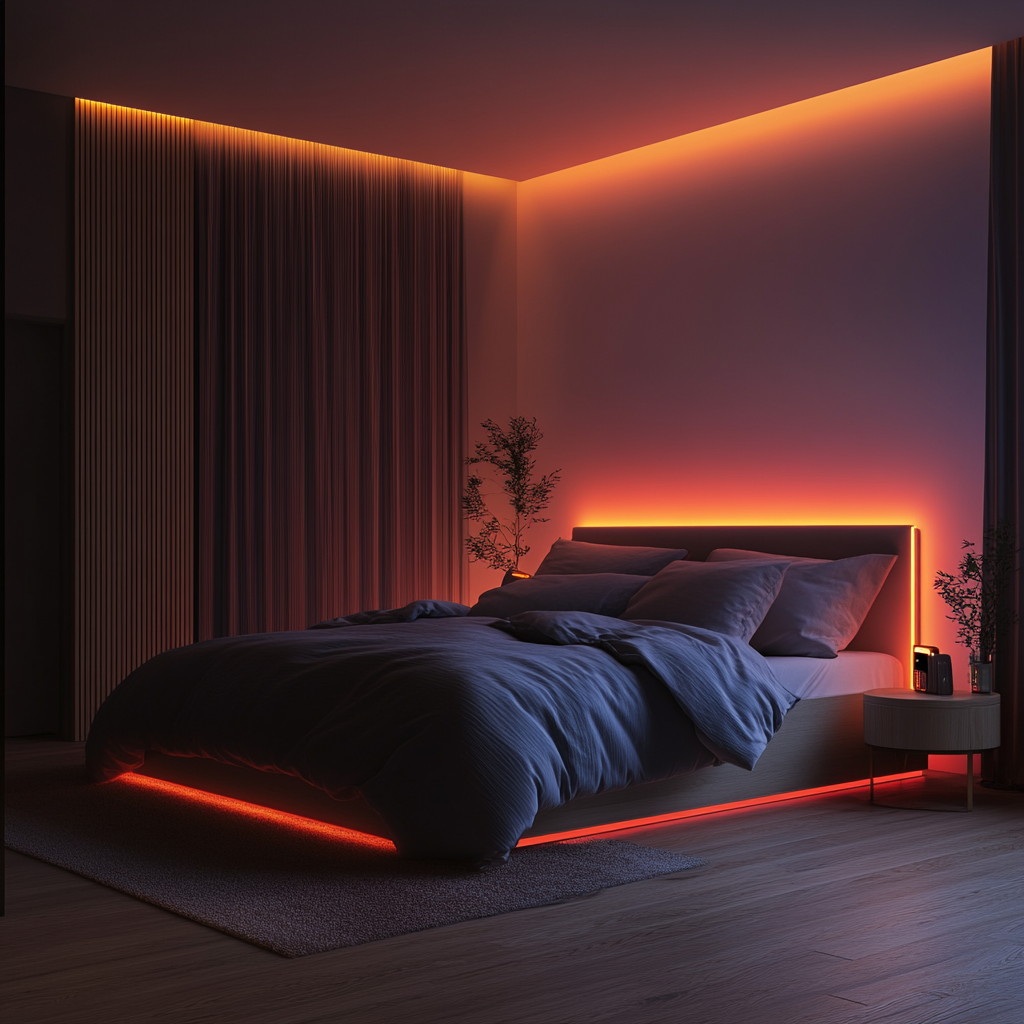 Creating the ideal sleep environment supports better rest
Making Sleep Hygiene Work for You
Everyone is a little different, so personalize your approach to fit your life. The key principles – consistency, a calm environment, mindful routines, and sensible lifestyle choices – apply to all, but you can tweak the details. For instance, if you're a teenager whose natural sleep cycle runs later, your 'consistent bedtime' might be midnight instead of 10 p.m., but you'd still benefit from a steady schedule and a wind-down routine. If you're a busy professional, you might prioritize shutting down your laptop and work brain by a certain hour to give yourself a buffer before bed.
Also, be patient. Don't worry if you can't implement everything at once – even small changes can start to improve your sleep. Maybe begin with a set wake-up time and shutting off screens early, then layer in other habits. Track how you feel; after a week or two of regular sleep and healthy habits, you'll likely notice you fall asleep faster and wake up feeling more refreshed. Those groggy mornings or afternoons with heavy eyelids should become less frequent.
Finally, note that if you consistently cannot sleep well despite good sleep hygiene, or if you suspect a sleep disorder (like insomnia, sleep apnea, or restless legs syndrome), talk to a healthcare provider. Conditions like sleep apnea or chronic insomnia may require specific treatments – sleep hygiene is necessary but might not be sufficient in those cases. That said, for most people, practicing the above habits can dramatically improve sleep quality.
"Sleep hygiene is about setting yourself up for success each night. It's the art of making good sleep a natural part of your daily routine. By prioritizing sleep and creating the right conditions for it, you're investing in your long-term health. Sweet dreams!"
— Sleep Foundation